Home News Industry News
Industry News

High-Margin Add-Ons: Why Reptile Shops Are Stocking Collectibles in 2026

Walk into a thriving independent reptile shop in 2026 and you will notice something that did not exist five years ago: a curated counter display of natural history collectibles — framed butterflies, resin beetle replicas, illustrated species cards, enamel pins. These items are not the reason customers walked through the door. But increasingly, they are the reason customers leave with a $50 ticket instead of a $35 one. We have watched this trend develop across our wholesale customer base, and the economics are striking.

The Margin Math of Counter Display Add-Ons

Live animal sales and core husbandry equipment are essential, but they share a problem: tight wholesale margins and high variance. A ball python sells for what the market dictates. A 60-gallon glass terrarium has a competitor's price one click away. Customers comparison-shop on these items, and shops compete on price.

Collectible add-ons sit in a completely different category. They are not on the customer's shopping list when they enter the store — which means they cannot be price-compared against a Chewy or Petco listing. They are discovered at the counter, purchased on impulse, and bought because they delight, not because they are needed. This shifts the pricing dynamic entirely. Markup of 100–200% on collectibles is standard and rarely questioned, compared to 25–40% on equipment.

Across the wholesale customers we have surveyed informally, shops that introduced curated collectible displays in 2024–2025 reported average revenue per transaction climbing 12–18% within the first six months. The effect compounded because once a customer buys their first collectible from your shop, you become "the place" for that category in their mind.

Who Buys Collectibles in a Reptile Shop?

Three customer segments drive the impulse purchases:

The enthusiast buying for themselves. Reptile keepers are, by personality, collectors. Someone who already owns three snakes, two leopard geckos, and a bioactive terrarium is psychologically wired to add another beautiful thing to their environment. A high-detail resin beetle on the windowsill is a natural extension of their existing aesthetic interests.

The gift purchaser. This is the highest-value segment and the most overlooked. Friends and family of reptile keepers regularly come in looking for a birthday or holiday gift, knowing the person is "into reptiles" but not knowing what specific equipment they need. Collectibles solve this dilemma perfectly — they are visually impressive, do not require pet expertise to choose, and cannot be the "wrong size" or "wrong species" the way live animals or terrariums can be.

The walk-in tourist. Independent reptile shops, especially those near downtown areas or tourist districts, see foot traffic from people who came in out of curiosity. Most leave without buying anything. A counter collectible display gives them a reason to convert into a paying customer — a $25 souvenir is much easier to commit to than a $250 setup.

Why Beetle Magnets Work for Reptile Shops Specifically

Generic collectibles — keychains, stickers, t-shirts — are commoditized and add little brand value to a serious reptile shop. The collectibles that work are those that thematically reinforce why the customer came in.

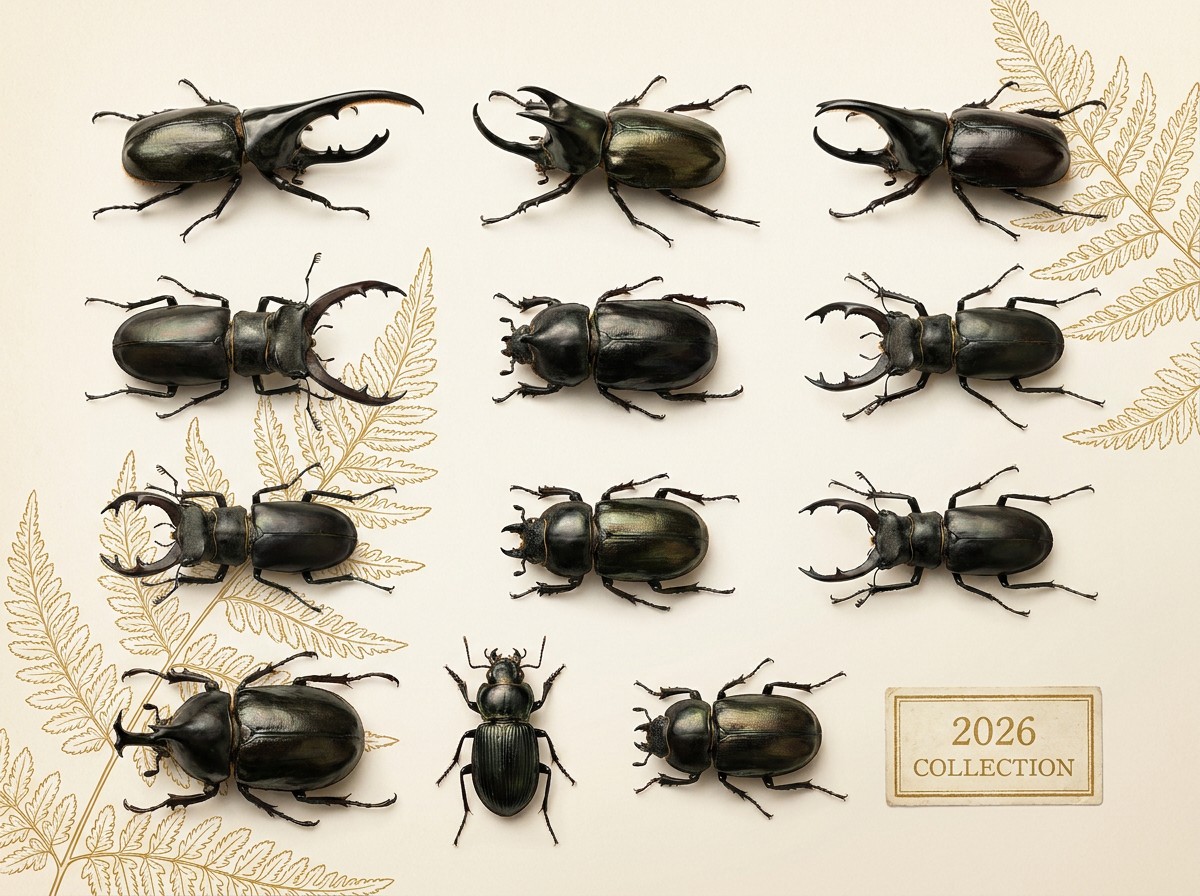
Beetle magnets sit in the same broader category as the live invertebrates and reptiles the shop already sells. They are biologically interesting, visually striking, and naturally curated by species — which means each one tells a small educational story. A customer who came in for cricket feeders walks out with a Caucasus Beetle magnet for their fridge, and now thinks of your shop every time they open the fridge door.

Practically, magnets also have features that work in retail:

  • Zero care required — unlike framed dried specimens, they do not deteriorate or require UV-protected display
  • Functional at home — refrigerator magnets get used, not stashed in a drawer
  • Visually engaging — at 1:1 scale, each magnet is an immediate conversation piece
  • Price-tier friendly — sit in the $20–$50 range that captures impulse buys without resistance
  • Gift-ready — small enough to ship, distinct enough to feel personal

Display Best Practices

Where you place the collectibles matters more than what you stock. After observing dozens of shops succeed or fail with collectible programs, three layout principles consistently work:

The counter is the conversion zone. Place the highest-impact collectibles within arm's reach of the cash register. Customers waiting to pay are the highest-converting audience for impulse purchases. Do not bury collectibles on a back wall where only browsers find them.

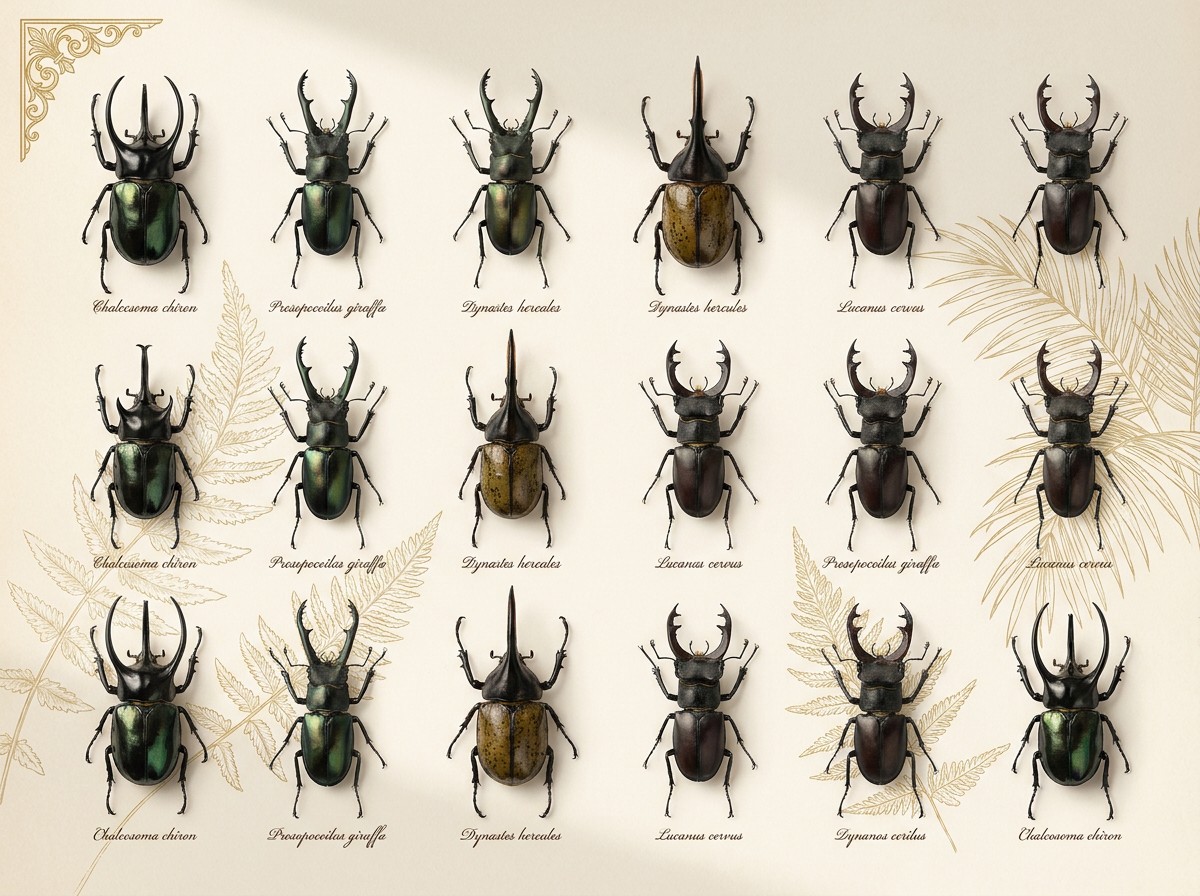
Use vertical display. A magnetic display board (which the beetle magnets attach to directly) at eye level draws more attention than a flat counter spread. The visual density of multiple species in one frame creates the "collector's mind" trigger that makes customers want to acquire multiple units.

Pair collectibles with related purchases. Position the beetle display near the invertebrate feeders, isopod cultures, or tarantula enclosures. The customer who buys mealworms is already in an invertebrate mindset — a beetle magnet is a natural add to the basket.

Sourcing: What to Look for in a Wholesale Supplier

The decision to add a collectibles program is easy. The execution depends on finding the right supplier. Key criteria:

  • Low minimum order quantity (MOQ). You should be able to test the category with 20–50 mixed units, not commit to 500. If a supplier requires container loads, the program is not viable for an independent shop.
  • Mix and match SKUs. Variety drives discovery. A supplier that lets you order 14 species across 30 total units is more useful than one that requires 30 of a single species.
  • Quality consistency. Hand-painted items vary by definition, but the variance should be within acceptable bounds. Ask for sample units before committing to a first order.
  • Replenishment lead time. Once a product line sells, you need to restock fast. A 2–3 week supplier turnaround keeps the display fresh; an 8–10 week turnaround means dead shelf time.
  • Story and provenance. Customers buy collectibles partly because of the narrative. A supplier who can tell you the species story, the casting process, and the materials gives your sales staff something to repeat to customers.

Getting Started

Our 2026 Beetle Magnet Collection was designed specifically with reptile retailers and expo merchants in mind. Fourteen species, low MOQ, mix-and-match SKUs, 2–3 week lead times, and full product story documentation for your sales floor. We can also handle custom display materials, branded packaging, and exclusive species reservations for shops looking to differentiate.

If you are a reptile shop, pet store, or expo merchant thinking about a collectibles program, get in touch via WhatsApp or our contact form. Tell us roughly your shop size and target customer mix — we will recommend a starter assortment that fits your shelf space and budget.

Interested in working with us?

Reach out for wholesale pricing, OEM/ODM partnerships, or product samples — we typically respond within one business day.

Contact Sales →
Continue Reading

More from Stellar Start

Introducing the 2026 Beetle Magnet Collection — 14 Species at True 1:1 Scale - Stellar Start
Product Update
June 2026
Introducing the 2026 Beetle Magnet Collection — 14 Species at True 1:1 Scale
Read Article →
Summer Heat Management for Reptile Racks: A 2026 Ventilation and Temperature Guide - Stellar Start
Husbandry Guide
June 2026
Summer Heat Management for Reptile Racks: A 2026 Ventilation and Temperature Guide
Read Article →
14 of the World's Most Iconic Beetles: A Collector's Field Guide - Stellar Start
Industry News
June 2026
14 of the World's Most Iconic Beetles: A Collector's Field Guide
Read Article →
Chat on WhatsApp